Quick Read:
- Oxidative stress is what happens when your body produces more damaging molecules than it can safely clean up.
- It can damage DNA, disrupt immune intelligence, alter hormone signaling, and increase chronic inflammation.
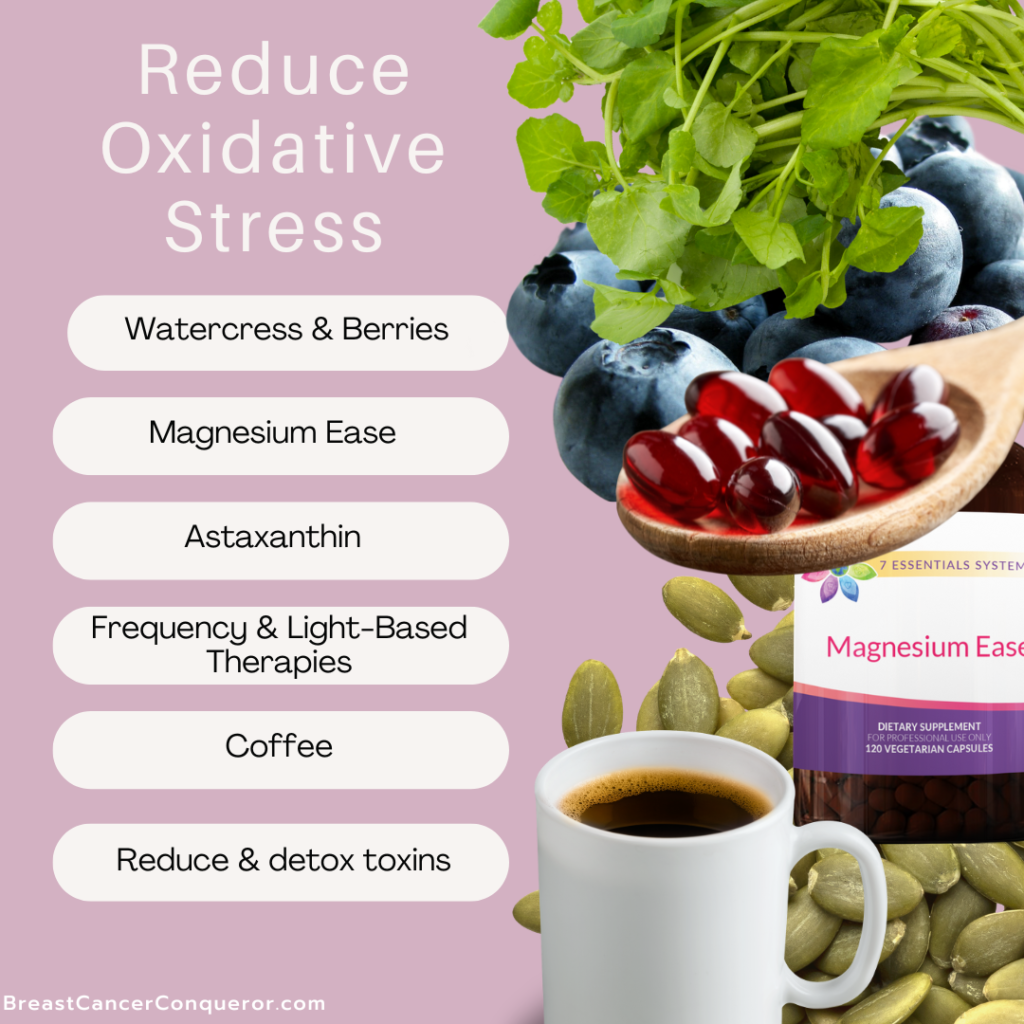
- Eating antioxidant-rich foods, taking supplements like NanoCoQ10, Magnesium Ease, doing light and sound therapy, and even drinking coffee can help reduce oxidative stress.
Yes, the “many causes” of cancer can be totally overwhelming. But we are here to simplify your life and provide quick, practical solutions. So brace yourself for a connecting dots, ah-ha moment: Many of the main causes (poor diet, chronic stress, toxins, inflammation, etc.) actually point back to one core issue: Oxidative stress. Understanding this empowering and yet often overlooked driver of disease can completely shift how you approach healing.
But first, you may be thinking: Oxidative stress? What does “oxidative” even mean? Here’s the simple answer: It is what happens when your body produces more damaging molecules than it can safely clean up.
For the science nerds: Oxidative stress is a condition that occurs when there’s an imbalance between free radicals (also called reactive oxygen species, or ROS) and the body’s ability to neutralize them with antioxidants.
Now, let’s break down all these new words:
- Free radicals (ROS): Unstable molecules that can damage cells
- Antioxidants: Compounds that neutralize and protect against that damage
- Oxidative stress: When free radicals overwhelm your antioxidant defenses
If it is still confusing, no worries, we will break it down further throughout this blog and provide proven solutions to help you prevent oxidative stress damage to your body.
Why Should I Know About Oxidative Stress?
Oxidative stress occurs when there’s an imbalance between reactive oxygen species (ROS) or “free radicals” and your body’s ability to neutralize them with antioxidants.While some ROS are normal (and even necessary), too many can create chaos inside your body.
This imbalance can:
- Damage DNA
- Disrupt healthy cell signaling
- Alter genes that regulate cell growth
- Trigger mutations that can lead to cancer
Studies [1] confirm that oxidative stress plays a significant role in both cancer initiation and progression, impacting everything from cellular transformation to tumor growth. This is because oxidative stress creates an internal environment where cancer can begin and grow. If you are curious about going deeper into the connection between cancer and oxidative stress, please review this study [2].
How Does Oxidative Stress Fuel Breast Cancer?
Oxidative stress doesn’t act alone. It’s deeply intertwined with other key drivers of breast cancer, especially inflammation. When both are high, they can:
- Damage DNA: Free radicals can directly damage your DNA, leading to mutations in genes that control cell growth and repair.
- Disrupt Immune Intelligence: Your immune system is designed to detect and eliminate abnormal cells. But oxidative stress weakens this surveillance system, allowing harmful cells to slip through unnoticed.
- Alter Hormone Signaling: Oxidative stress can interfere with estrogen metabolism, creating imbalances that may contribute to hormone-driven cancers.
- Increase Chronic Inflammation: This creates a “fertile soil” for cancer cells, promotes tumor growth, and damages tissues.
All of the above create an environment where cancer can freely grow, and your immune system is blocked from protecting you.
Powerful Ways to Reduce Oxidative Stress Naturally
This IS something you have control over. Far more control than you may even realize. Here are some of our favorite and research-backed effective ways to support your body:
1. Pile On Antioxidant-Rich Foods Like Watercress
Did you know that humble watercress has been rated the HEALTHIEST vegetable on the planet, and is especially powerful in fighting oxidative stress! For example, it scores a perfect 100 for national value, while kale scores 49! This is because watercress is packed with flavonoids, carotenoids (lutein and zeaxanthin), and Glycine (a powerful antioxidant amino acid).
These compounds help:
- Neutralize free radicals
- Protect DNA
- Support detoxification
Unearth more info about this ancient plant via this blog post [3] and try this Asian Sautéed Watercress Salad. [4]
2. Support Your Master Antioxidant: Glutathione
Glutathione (GSH) is a naturally occurring “Master Antioxidant” essential for immunity, vitality, and the protection of cells from oxidative damage. For more insight into Glutathione, please listen to this podcast [5] led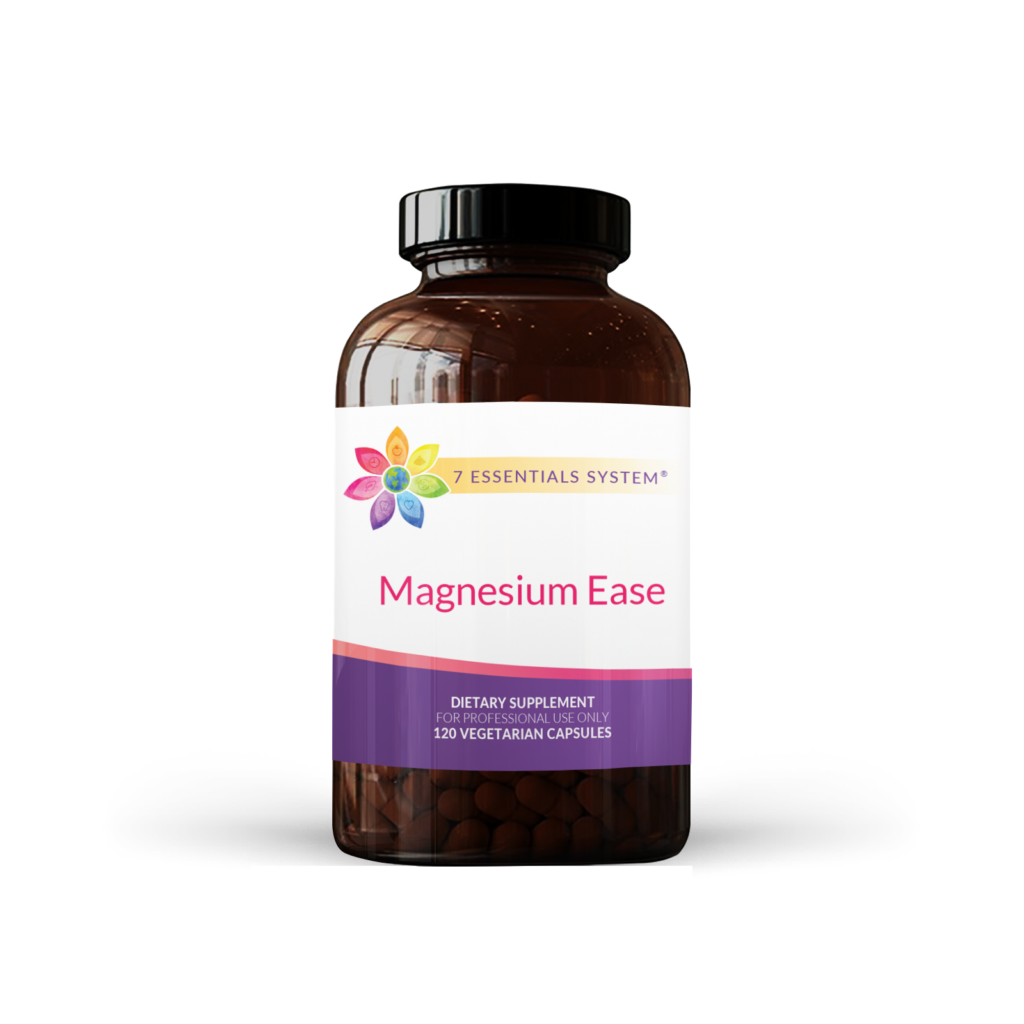 [6] by Dr. Nayan Patel, one of the foremost researchers on Glutathione.
However, oxidative stress actually depletes glutathione levels, creating a vicious cycle. Therefore, you should focus on supporting glutathione production by being intentional about reducing toxic exposures (like alcohol, pesticides, and air pollution) and eating foods rich in cysteine (seeds and nuts [7], broccoli (or take this supplement [8]), salmon, organic beef, organic eggs, etc.)
You can also supplement with Magnesium Ease [6] as it supports the processes that create glutathione and reduces stress by helping your body calm your nervous system and sleep better.
3. Harness the Power of Astaxanthin
If you’re looking for one of the most potent antioxidants available, look no further than the sea plant: astaxanthin. Unlike many antioxidants, astaxanthin works throughout the entire cell, offering comprehensive protection.
Some of the top benefits of taking astaxanthin include:
- Reducing oxidative stress
- Supporting apoptosis
- Lowering inflammation
- Anti-aging skin support
To reel in more details, please review this blog post dedicated to astaxanthin [9].
4. Consider Frequency and Light-Based Therapies
Advanced frequency-based therapies can also help reduce oxidative stress and improve your terrain. Here are a few we suggest looking into:
-
PEMF (Pulsed Electromagnetic Field Therapy): Supports cellular communication, circulation, mitochondrial function, and nervous system regulation. Discover more about PEMF via this blog post [10].
-
PBM (Photobiomodulation / Light Therapy): Supports healing via improving circulation, enhancing lymphatic flow, and calming oxidative stress.
To shed more light on these types of therapies, please review this blog post. [11]
5. Rethink Coffee (Yes, Really)
Coffee has gotten a mixed reputation over the years, but research is telling a more nuanced story. As with so many things in healing, the answer isn’t just what you consume, but how, when, and what else comes with it. And when consumed in a healthy way, it can be a way to:
- Reduce inflammation
- Lower oxidative stress
- Improve insulin sensitivity
We will sip to that! Click here [12] for how to brew for cancer healing.
6. Energize Your Cells with CoQ10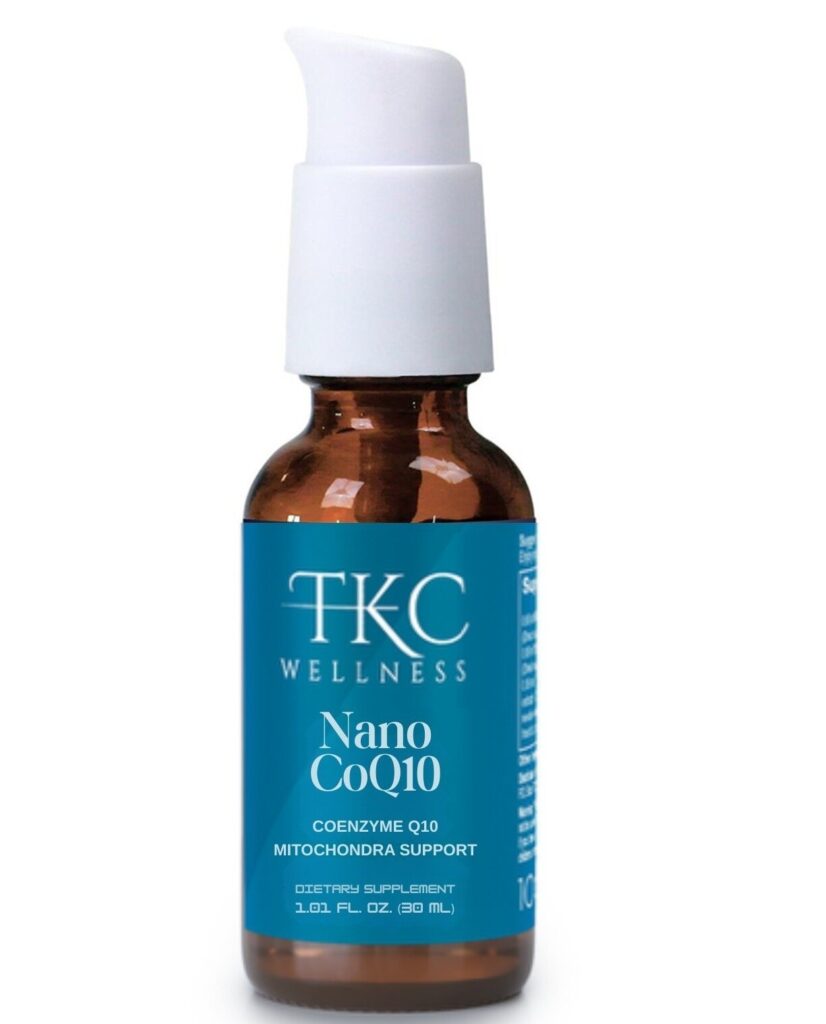 [13]
[13]
Another powerful way to combat oxidative stress is by supporting your mitochondria, the energy centers of your cells. This is where CoQ10 (Coenzyme Q10) [13] plays a critical role.
CoQ10 is a potent antioxidant that helps:
- Neutralize free radicals at the cellular level
- Support mitochondrial energy production
- Protect healthy cells from oxidative damage
This is especially important in cancer healing, because damaged or sluggish mitochondria can contribute to cellular dysfunction and disease progression.
However, one of the challenges with traditional CoQ10 supplements is absorption. That’s why a high-quality, bioavailable option like Nano CoQ10 [13] can make a meaningful difference in your cells. Because when your cells have the energy and protection they need, your entire internal terrain becomes more resilient.
Kick Out Oxidative Stress
As you can see, it is something you can control, and there are plenty of tools to help you give it the boot! And as always, we are here for you every single step of the way. If you ever feel overwhelmed, reach out to one of our coaches [14] and simply drop a line on our contact page [15].