
Quick Read:
- Coffee can be either a supportive ally or a silent saboteur, depending on the quality, additives, sugar load, and your treatment plan.
- A landmark study published in Clinical Cancer Research found that caffeine and caffeic acid inhibited the growth of breast cancer cells, particularly estrogen receptor–positive (ER+) and estrogen receptor-negative (ER-) tumors.
- If coffee doesn’t work for you, or if you are looking for more options, matcha is one of Dr. V’s go-to caffeine drinks, as it gives you up to 137 times more EGCG than green tea. EGCG is a potent
breast cancer healing compound.
Coffee has long lived in the gray zone of cancer conversations. One day it’s praised as antioxidant-rich and protective; the next, it’s blamed for inflammation, hormone disruption, or adrenal burnout. So what’s the truth—especially for women navigating breast cancer?!?
As with so many things in healing, the answer isn’t just what you consume, but how, when, and what else comes with it. Coffee can be either a supportive ally or a silent saboteur, depending on the quality, additives, sugar load, and your treatment plan.
Let’s break down what the studies actually say—and how to drink coffee in a way that supports, rather than stresses, your beautiful and powerful body.
Coffee’s Anti-Cancer Potential
Several compelling studies suggest that coffee isn’t just safe for many women with breast cancer—it may actually be a part of a proactive healing.
Caffeine & Caffeic Acid: Brews Growth Inhibition
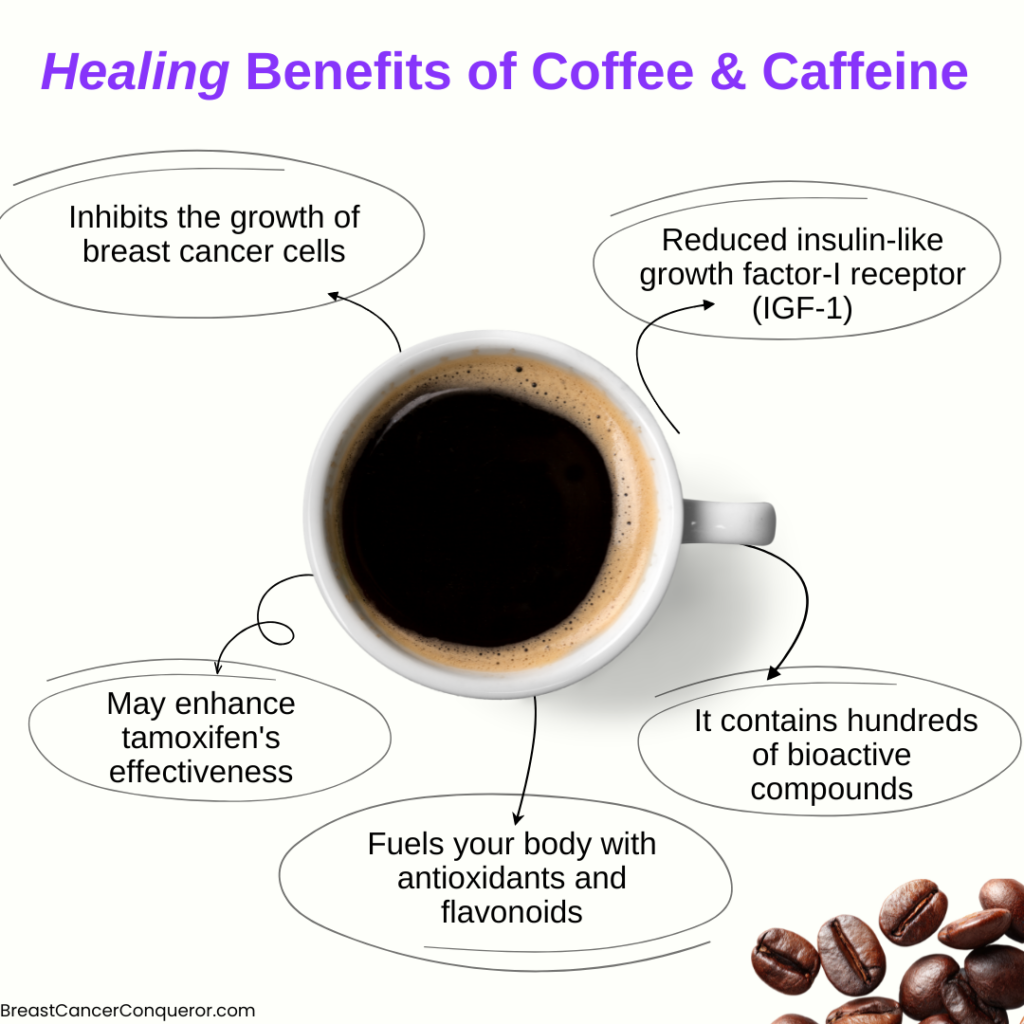
A landmark study published in Clinical Cancer Research found that caffeine and caffeic acid inhibited the growth of breast cancer cells, particularly estrogen receptor–positive (ER+) and estrogen receptor-negative (ER-) tumors. The researchers observed reduced tumor cell proliferation and interference with cancer-promoting signaling pathways—especially in women taking tamoxifen.
Caffeine also reduced insulin-like growth factor-I receptor (IGF-1) and pAkt levels in both ER+ and ER− cells. IGF-1 is known to encourage the growth and proliferation of cancer cells, and this study found it may be present in up to 90% of breast cancer tumors. To learn more, please review this blog post on the blood sugar and breast cancer connection.
The study included women who drank 2-4 cups of coffee a day, and concludes that coffee isn’t just neutral. It may actively work with treatment rather than against it.
Coffee After Diagnosis: Pours Out Better Outcomes
Large observational studies have looked at coffee consumption after a breast cancer diagnosis, and the results are encouraging.
A comprehensive review published in The British Journal of Cancer found that higher coffee intake was associated with better survival outcomes. Another review published in SAGE Journals reinforced these findings, highlighting coffee’s role in reducing inflammation, oxidative stress, and insulin resistance—three major drivers of cancer progression.
Importantly, these benefits were seen when coffee was consumed without excessive sugar, artificial additives, or chemical-laden creamers. Which makes a massive difference and what separates healing and harmful cups of joe.
The Coffee Matters—but What’s In It Matters More
Stop The Sugar Takeover
Coffee itself is not the problem. What we’ve turned coffee into absolutely is.
Most commercial coffee drinks today are cups of liquid sugar, drowning your body in artificial flavors, inflammatory oils, and hormone-disrupting chemicals. The Starbucks Java Chip Frappuccino® trashing your body with 80 grams of sugar, will always be harmful to your body. However, a cup of organic coffee with a spoonful of organic coconut oil and cacao can be a nourishing part of your morning routine.
Most practitioners recommend no more than 20 grams of sugar per day—total. 80 grams in a single drink isn’t just unnecessary; it’s metabolic chaos.
Excessive sugar:
- Spikes insulin and IGF-1 (both linked to cancer growth)
- Feeds inflammation
- Impairs immune surveillance
- Disrupts hormone balance
- Fuels breast cancer
Click here to learn why and how sugar fuels cancer development and smart ways to stop it—plus some delish recipes!
To put it bluntly, it’s simply not worth it. Ever.
Only Go With Organic Options
Coffee is one of the most heavily pesticide-sprayed crops in the world.
If you’re drinking conventional coffee, you may also be drinking:
- Glyphosate
- Mold toxins (mycotoxins)
- Chemical solvents used in processing
- Residues from genetically modified crops
Organic beans are grown without:
- Synthetic pesticides
- Harmful chemical fertilizers
- GMOs
- Higher quality of growing practices
When your body is already working overtime to detox, repair DNA, and regulate immune responses, every chemical exposure counts. Therefore, make sure to follow Essential #2: Reduce Your Toxic Exposure in your coffee ritual.
Energy Drinks = Hard NO
Energy drinks are NOT for you.
They’re loaded with:
- Synthetic caffeine
- Artificial dyes
- Chemical preservatives
- Excess sugar
- Inflammatory additives
They overstimulate the nervous system, torment your body with damaging chemicals, skyrocket inflammation…and we could go on and on!
Matcha = The Healing Caffeine Solution
If coffee doesn’t work for you, or if you are looking for more options, matcha is one of Dr. V’s go-to caffeine drinks, as it gives you up to 137 times more EGCG than green tea. EGCG is a potent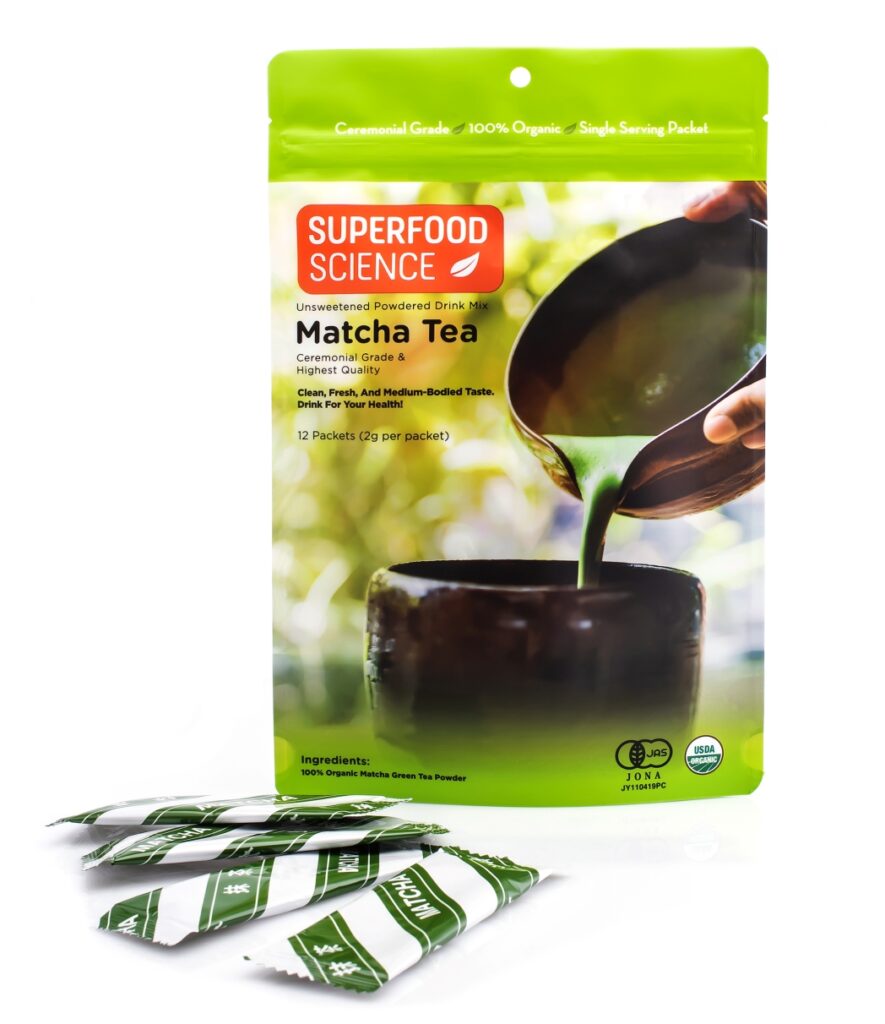 breast cancer healing compound, and you can learn all about it here.
Dr. V’s go-to Matcha brand is Superfood Science, as they provideunsweetened certified organic ceremonial grade matcha tea powder packaged in single serving packets. Each packet contains 2 g of 100% organic matcha tea powder without artificial preservatives, flavors, and fillers.
Matcha provides:
- Calm, sustained energy
- L-theanine for nervous system balance
- Antioxidants
- No blood sugar spike
It’s one of the most researched teas in cancer prevention and support, and is often better tolerated during treatment. If you haven’t read our blog on matcha, please take a minute to review it. You may also love our Matcha “Cheesecake” Chia Pudding, Matcha Coconut Butter Cookies, and Matcha Ginger Aide.
Treatment Interactions
Coffee isn’t universally appropriate during every phase of treatment. Always talk to your medical team to see whether it is helping or hindering at a specific stage of your healing journey.
Tamoxifen (ER+ Breast Cancer): This study suggests that 2 daily cups of coffee may enhance tamoxifen’s effectiveness, potentially improving treatment outcomes in estrogen receptor–positive tumors.
Chemotherapy Caution: On the flip side, studies like this one suggest that caffeic acid may reduce the effectiveness of certain chemotherapy drugs, including Adriamycin (doxorubicin) and Taxol (paclitaxel).
Additionally, even high-quality coffee isn’t right for everyone at all times. Coffee’s stimulant and acidic nature can worsen: Nausea, heartburn, acid reflux, anxiety, and insomnia. Do what is right for you.
Coffee’s Protective Compounds
Coffee isn’t just a daily jolt. It contains hundreds of bioactive compounds (2023 study) that contribute to its potential benefits:
- Polyphenols: Protect against oxidative stress
- Chlorogenic acids: Anti-inflammatory and blood-sugar stabilizing
- Antioxidants: Help reduce cellular damage and DNA mutations
Decaf Vs. Regular Caffeine
Decaf coffee can still be beneficial, but it’s not the same as regular coffee. It retains many of coffee’s protective compounds, as mentioned above. However, caffeine itself appears to contribute to some of coffee’s benefits, particularly for women with ER-positive tumors taking tamoxifen, where caffeine and its metabolite, caffeic acid, may enhance treatment effectiveness. Decaf may offer less of this specific synergy.
But if you are actively in chemo treatment, decaf may be a better option—especially for women dealing with anxiety, insomnia, nausea, or heartburn. In short, decaf can still support healing, but the best choice depends on your treatment phase and caffeine tolerance.
How to Build a Healing Cup of Coffee
If coffee works for you, upgrade it from stimulant to superfood.
Add Healthy Fats
A teaspoon of organic coconut oil provides:
- Brain fuel
- Blood sugar stability

- Longer-lasting energy without crashes
Spice It Up with Cinnamon
Cinnamon isn’t just delicious—it can:
- Lower blood glucose
- Improve cholesterol and triglycerides
- Support insulin sensitivity
Scoop Cacao for Cellular Support
Raw cacao is packed with:
- Antioxidants (cell protection)
- Flavonoids (heart health)
- Theobromine (gentle cognitive boost)
- Magnesium (critical for healing)
- Fiber (gut health)
Together, these additions transform coffee from a nervous-system stressor into a nutrient-rich ritual.
The Last Sip
Coffee isn’t the enemy, but mindless and sugary coffee is. When chosen intentionally, prepared cleanly, and consumed with awareness, coffee can:
- Support metabolic health
- Provide antioxidants
- Complement certain therapies
- Enhance quality of life
But when drowned in sugar, artificial creamers, and chemicals, it becomes just another source of inflammation. Therefore, turn your morning cuppa into a superfood that puts your body into all-day healing mode!