
Cannabis is a medicinal plant containing powerful compounds that interact with the body’s endocannabinoid system, influencing inflammation, immune function, and overall cellular balance. It has been used for thousands of years for medicinal and industrial purposes (paper, textiles, building materials, etc.). Over the decades, it has taken on many lives and stereotypes, but when used strategically as medicine, it may benefit your healing journey.
Now there are many players: CBD. THC. RSO. CBN. CBG. CBDV. And along with them, a mix of hope, hype, and confusion.
Some claim cannabis can shrink tumors. Others use it for symptom relief. Meanwhile, the conventional medical world often approaches it cautiously. And let’s be real, all of these acronyms are confusing and overwhelming. So let’s cut the confusion and take a grounded, integrative look at what cannabis can do, what it can’t do (yet) for your breast cancer healing journey.
But before we go any further, we want to clearly state: Cannabis is NOT a miracle cure, and must be used under the guidance of your medical team.
Why Are Women Using Cannabis?
About 20-40% of people healing from cancer include cannabis in their healing plans, and for good reason.
They’re seeking support for:
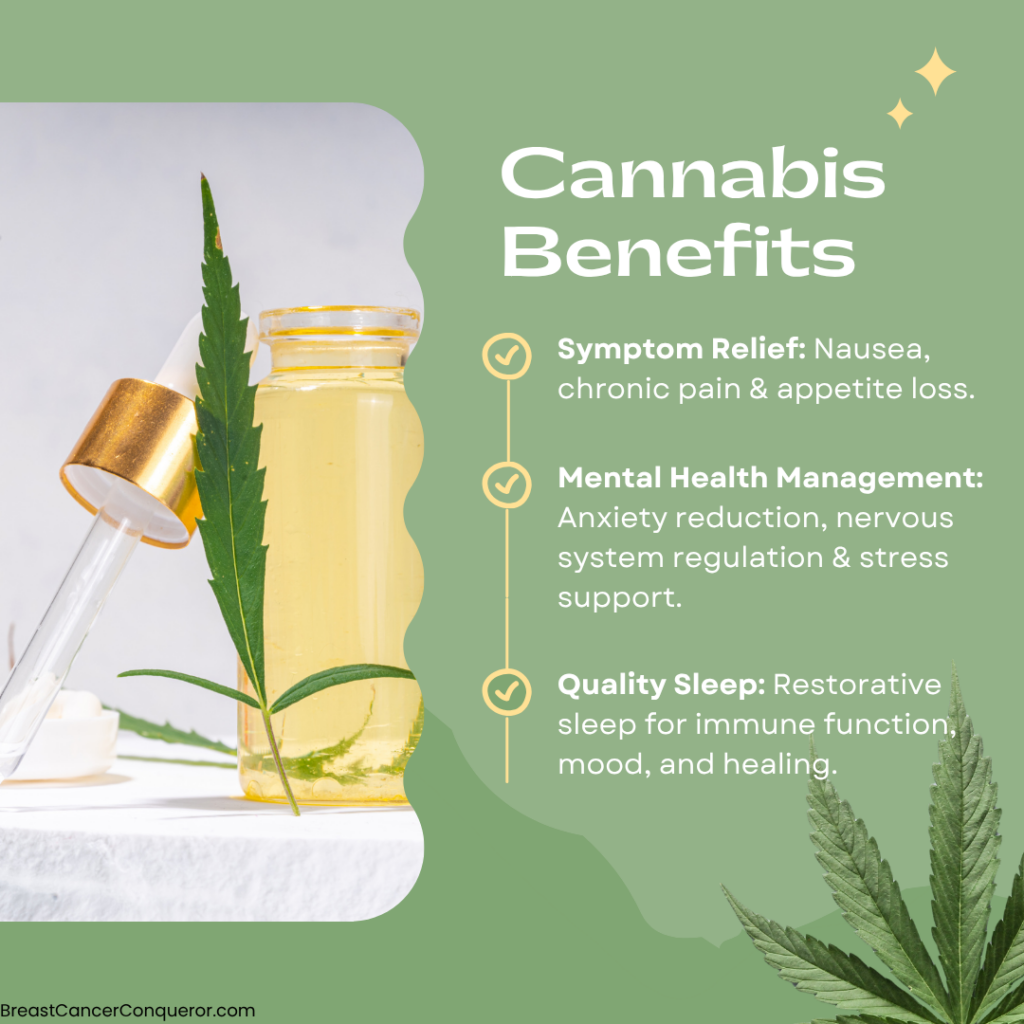
Symptom Relief
- Nausea and vomiting
- Chronic pain
- Appetite loss
Mental Health Management
- Anxiety reduction
- Nervous system regulation
- Stress support
Quality Sleep
- Deep, restorative sleep is critical for immune function and repair
All of the above do play a vital role in your quality of life AND ability to heal. Because when your body is calm, nourished, and supported, it can get into healing mode.
Important considerations:
The type of cannabis products you buy really matters. Make sure you buy the purest, highest-quality products (some are filled with heavy metals and toxins) and get them approved by your medical team before use. Additionally, some products may negatively interact with your therapies, including immunotherapies (study), and influence estrogen and hormonal health. Therefore, always discuss any additions to your regimen with your physician.
The Cheat Sheet: What You Should Know About The Many Types of Cannabis
It’s no longer just “marijuana” and all the slang terms for it. Cannabis has evolved into many science-backed forms that could provide relief and support for your healing journey. To make things easier, we made a cheat sheet so you can quickly get the gist of all the new product types available. Again, as with anything, please do not try anything new before discussing with your medical team.
CBD (Cannabidiol): Study
- Non-psychoactive
- Calming, anti-inflammatory
- Supports the nervous system
THC (Tetrahydrocannabinol): Study
- Psychoactive
- Stronger for pain, nausea, and appetite
- Can be deeply relaxing…or overstimulating if too high
Both interact with your endocannabinoid system (ECS). It’s a crucial, widespread cell-signaling network in the body that maintains homeostasis (internal balance) and regulates functions such as sleep, mood, pain, memory, appetite, and immune response.
ECS is a powerful regulatory network that influences:
- Immune function
- Inflammation
- Mood
- Cellular communication
Minor Cannabinoids: The Future of Cannabis Medicine
These days, Cannabis has evolved from just CBD and THC. There are over 100 cannabinoids, and research is now focusing on these “minor cannabinoids” for their unique effects.
Note: Keep in mind that the research is still new (within the last few years), and nothing has been confirmed as “facts.” Therefore, look at the info below with a savvy, curious mind and let it guide questions for your medical team.
Key Minor Cannabinoids To Know:
CBG (Cannabigerol): Study
- Non-psychoactive
- May influence hormone-related pathways, including estrogen signaling
- Known as the “mother cannabinoid” (precursor to others like CBD and THC)
CBC (Cannabichromene): Study
- Non-psychoactive
- Early research suggests tumor-inhibiting potential
- Anti-inflammatory and may support cellular health
CBN (Cannabinol): Study
- Mildly psychoactive (much weaker than THC)
- Powerful for sleep and nervous system repair
- Emerging research suggests potential anti-cancer activity
CBDV (Cannabidivarin): Study
- Non-psychoactive
- May impact aromatase activity (important for estrogen metabolism)
- Being studied for effects on neurological and cellular pathways
THCV (Tetrahydrocannabivarin): Study
- Mildly psychoactive (dose-dependent)
- Supports metabolic health and blood sugar balance (check out the blood sugar and cancer connection)
- May help regulate appetite and insulin sensitivity
RSO (Rick Simpson Oil): Study
- Very mixed results, ranging from positive to highly damaging for mental health
- Highly concentrated cannabis extract, typically rich in THC
- Often promoted as a cancer cure, but evidence does not support this in humans
- May provide strong symptom relief (pain, sleep, appetite)
- Has promising preclinical anti-tumor data
- Extremely potent and must be used carefully (dose matters)
Improved Delivery Systems
One thing we know to be true: It’s not just what you take; it’s how your body absorbs it. New improvements for absorption include:
Nano-cannabinoids
- Smaller particles for better absorption
- Higher bioavailability
- Potentially stronger effects at lower doses
Liposomal delivery
- Helps cannabinoids pass through cell membranes more efficiently
Inhalable medical-grade powders
- Faster onset
- More precise dosing (being explored clinically)
For more insight and real talk into the world of medical cannabis, listen to this podcast episode with John Malanca, founder of United Patients Group (UPG). It has quickly become a leading resource for medical cannabis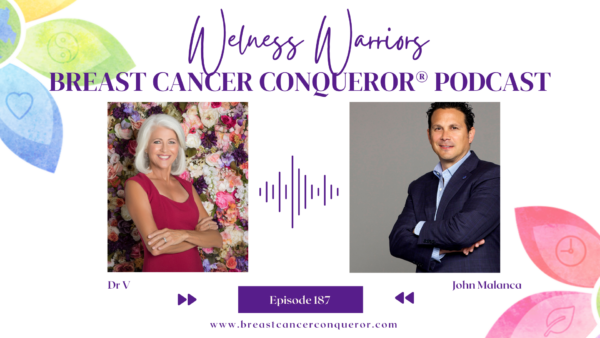 information and education, serving patients, physicians, pharmacists, governments, and organizations both domestically and internationally. Listen to the episode here!
Your Main Goal: Vibrant Health
Cannabis is not a magical cure; nothing is. But cannabis and its many forms are evolving into something far more sophisticated than most people realize. From symptom relief to minor cannabinoids’ role in regulating the endocannabinoid system, cannabis may be something to consider.
Because the goal isn’t just to fight cancer: It’s to create an internal environment where cancer no longer thrives.