
Quick Read:
- Insulin resistance can lead to high blood sugar levels and they are a key factor of the development of cancer.
- Berberine can help manage blood sugar levels, enhance treatment effectiveness, support apoptosis, target cancer stem cells, and provide many other benefits.
- Berberine activates AMPK, often referred to as the “metabolic master switch,” which regulates how your body produces and uses energy.
For over 3,000 years, Ayurvedic, Native American, and Chinese practitioners have used Berberine-containing plants (barberry, goldenseal, Oregon grape) as medicine. Historically, it was used to treat infections (mouth, eyes, skin, etc.), digestive issues, malaria, and parasitic infections.
Nowadays, it is primarily used as a supplement for:
- Blood sugar control
 Weight loss
- Cardiovascular health
- Type 2 diabetes
So why are we discussing berberine on this blog since it really doesn’t have much to do with breast cancer? Excellent question!
Here’s it in the quickest summary possible:
- Insulin resistance can lead to high blood sugar levels.
- High blood sugar/blood sugar imbalances are a key factor in the development of cancer.
- Berberine can help you manage blood sugar levels.
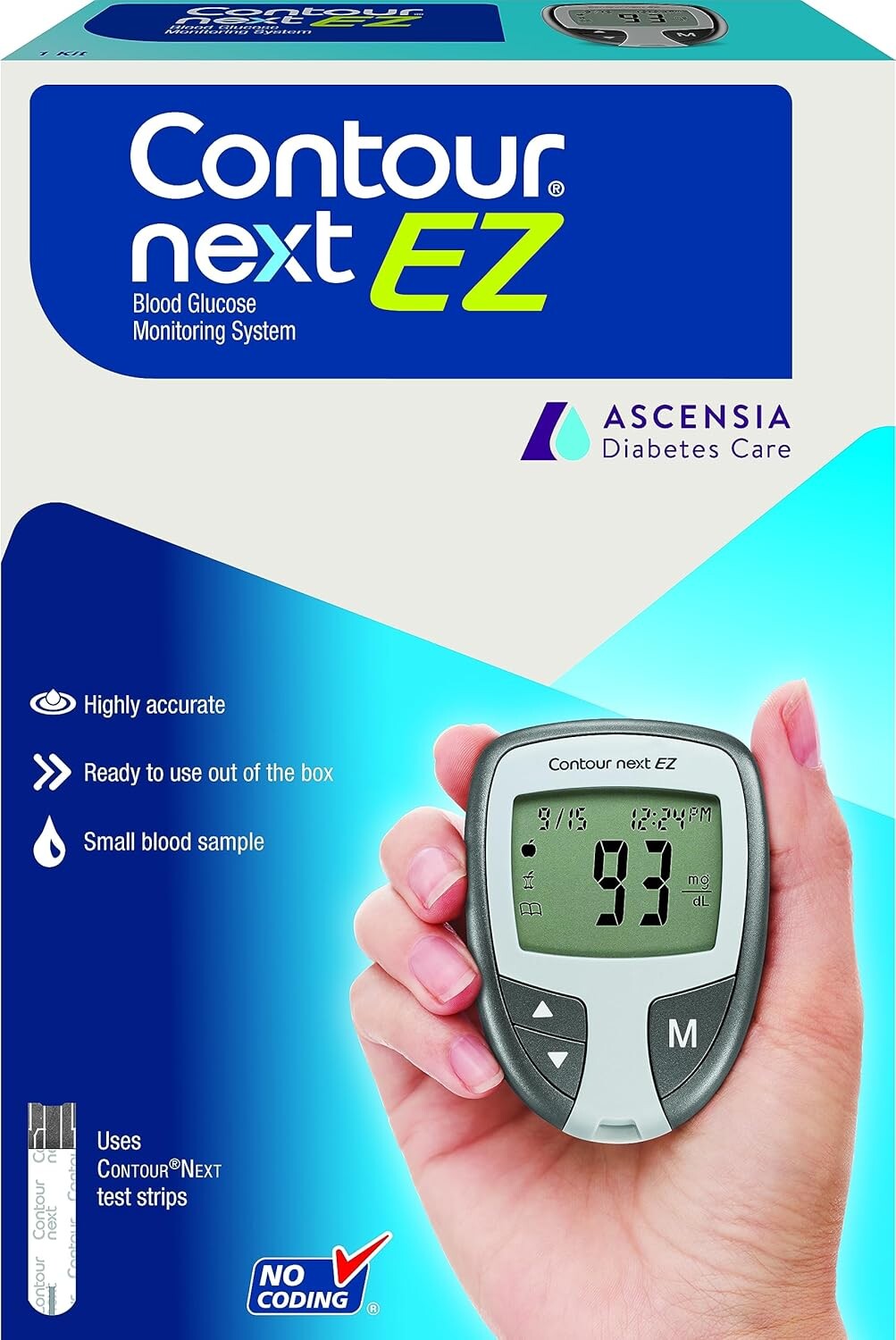
This is why one of the first things our coaches do with women is teach them to test their blood sugar (learn how here) and understand the connection to cancer (this blog post goes into detail).
Now, let’s get into the details and studies so that you have a better understanding of your body, healing, and how berberine and monitoring your blood sugar could be part of your healing plans.
Insulin Resistance & Blood Sugar 101
Insulin resistance occurs when your body’s cells don’t respond properly to insulin, a hormone that regulates blood sugar levels. The main cause is excessive sugar intake, which leads to high blood sugar levels. Spikes in blood sugar tell your pancreas to release more insulin to move blood sugar into your cells. But eventually, your body won’t be able to keep up. Your body will respond with pre-diabetes symptoms such as blurred vision, fatigue, tingling feet, frequent urination, etc.
And since no aspect of our beautiful bodies lives in a silo, here’s how insulin resistance is connected to a higher risk of breast cancer:
- Increases inflammation: Those with pre-diabetes will almost all have systemic inflammation, AND about 95% of all cancers have inflammation in common. Read this blog for details. But in short: “Anything that causes inflammation will cause the DNA of a cell to replicate faster,” says Dr. Brad Mons at City of Hope. “The more your cells replicate, the higher chance you have of cancers developing.”
- Increases Higher IGF-1 (Insulin-like growth factor-1): It’s driven by insulin resistance and stimulates cell growth and division, and elevated levels have been associated with an increased risk of breast cancer development and progression. High IGF-1 can also activate pathways that promote tumor growth, reduce apoptosis (programmed cell death), and contribute to a more aggressive cancer environment.
- Increases ROS (reactive oxygen species or “free radical”) levels: Too many free radicals in the body can cause DNA damage and cancer, and this blog post provides more details and practical repair solutions.
- Fueling cancer cells: Cancer cells have significantly more glucose (sugar) receptors than healthy cells, and when blood sugar levels are elevated, you are essentially providing cancer cells with a constant fuel source.
- Decreases the effectiveness of treatments (chemotherapy, radiation, immunotherapy, and hormone therapy): High blood sugar leads to insulin resistance and can also make breast cancer cells more resistant to treatment. Learn more via this study.
Solution:
Start by regularly testing your blood sugar (learn how here), strategically cutting back on sugar, and taking berberine—only if your medical team and coach approve.
Berberine: Your Ally for Blood Sugar & Breast Health
Among the many natural compounds that support metabolic health, berberine stands out as an effective and well-researched option. One of berberine’s most powerful actions is its ability to activate AMPK (AMP-activated protein kinase). AMPK is often referred to as the “metabolic master switch” because it regulates how your body produces and uses energy.
When AMPK is activated, your body: (Study)
- Improves insulin sensitivity
- Reduces blood sugar levels
- Enhances fat metabolism
- Decreases inflammation
There’s also emerging research on berberine’s direct effects on cancer healing.
Recent research (2015 and beyond) has shown that berberine may:
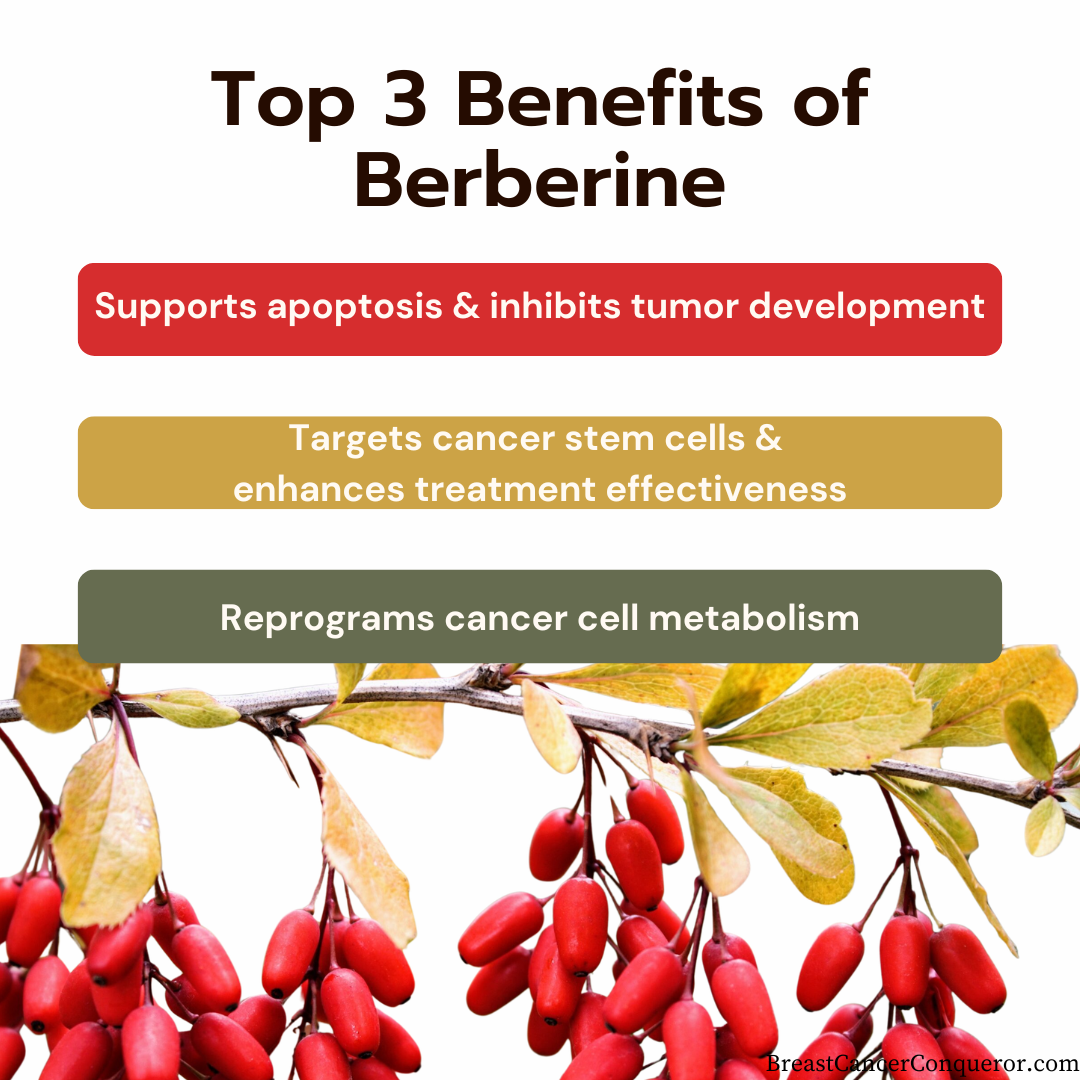
1. Reprogram Cancer Cell Metabolism
Cancer cells rely heavily on inefficient energy production pathways. Berberine helps shift this by activating AMPK and promoting healthier cellular respiration, making it harder for cancer cells to survive. (Study)
2. Support Apoptosis (Cancer Cell Death)
Berberine can trigger apoptosis in breast cancer cells. It triggers apoptosis in breast cancer cells, including MCF-7 and MDA-MB-231 lines, by activating mitochondrial-dependent pathways, increasing reactive oxygen species (ROS), and modulating BCL-2/BAX signaling. (Study)
3. Target Cancer Stem Cells & Enhance Treatment Effectiveness
This study stated that “…shows promise in reducing cancer stem cells (CSCs) and combating treatment resistance. It acts by modulating signaling pathways (like miR-21, Wnt/-catenin), inducing apoptosis, and inhibiting self-renewal, thereby lowering the potential for cancer recurrence and enhancing the effectiveness of therapies like radiation.”
4. Inhibit Tumor Development
Berberine has been shown to impact pathways such as WNT/β-catenin (linked to tumor growth) and mTOR signaling (related to cell proliferation). By modulating these pathways, berberine may help slow or inhibit tumor development. (Study)
The Last Bite
You have the power to reverse insulin resistance, take supplements that heal cancer, and figure out personalized protocols for your optimal healing. Do your research, partner with a private coach, give your body what it needs, and restore your body down to your 37 trillion cells!