
Quick Read:
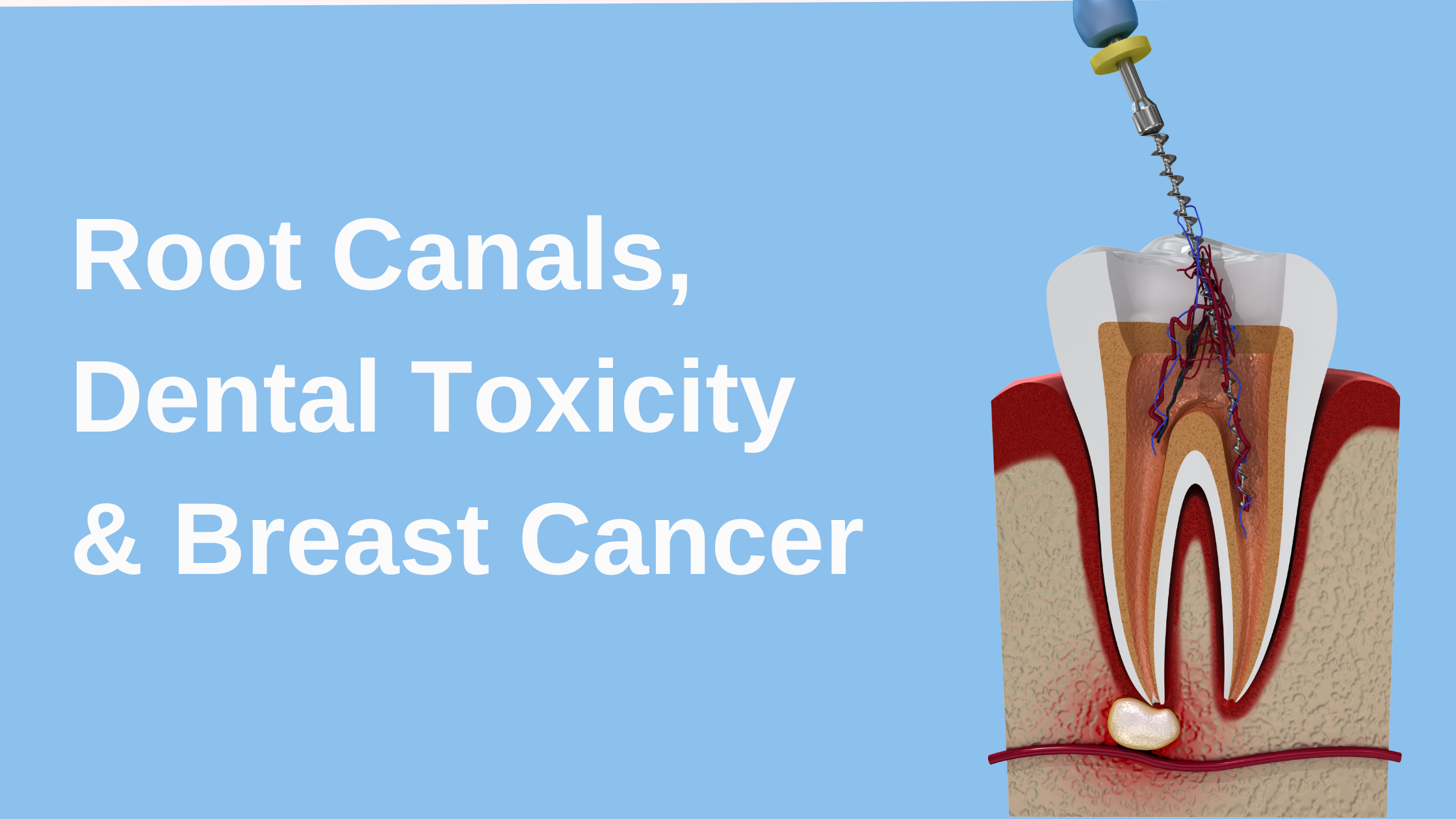
- A root-canal tooth, a mercury-filled amalgam, a cavitation, or chronic dental infection is not just a tooth problem—it is a breast problem, a lymph problem, a hormone problem, and potentially a cancer-triggering problem. This is why root canals and breast cancer are deeply connected.
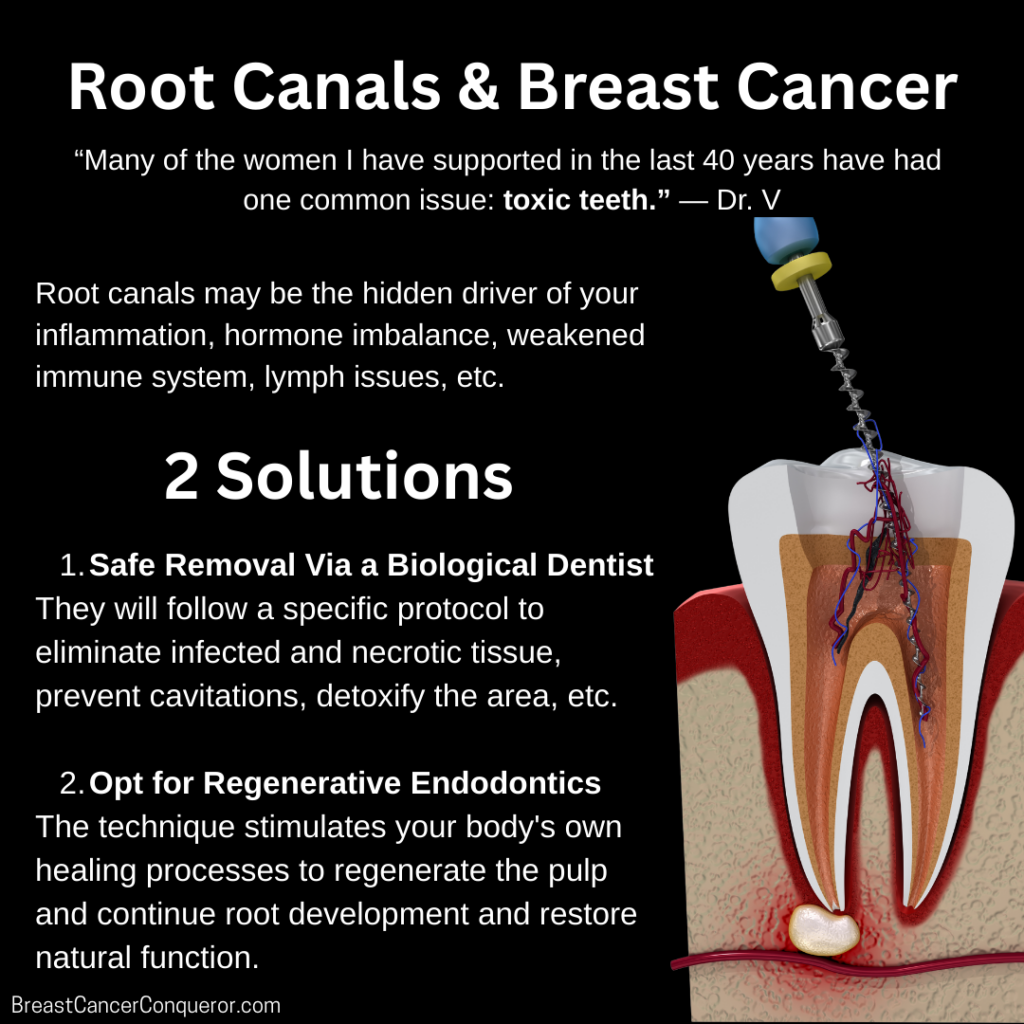
- To safely remove a root canal, a biological or holistic dentist follows a very specific, step-by-step protocol to remove, detox, and heal your body.
- Regenerative Endodontics is another option, as its goal is to restore the natural function of immature teeth, particularly those with necrotic pulps, by stimulating the body’s own healing processes to regenerate the pulp and continue root development.
“Many of the women I have supported in the last 40 years have had one common issue: toxic teeth.” — Dr. V
If you want to truly heal your body—your breast tissue, your hormones, your lymphatic system, and vitality in general—you MUST address your dental issues. It’s not a nice-to-have; it could be the key that unlocks lasting healing. Because your mouth is not an isolated system, every tooth is connected to specific organs, tissues, glands, and systems through energetic pathways known as meridians. These same meridians travel directly to the breasts. This means a root-canal tooth, a mercury-filled amalgam, a cavitation, or chronic dental infection is not just a tooth problem—it is a breast problem, a lymph problem, a hormone problem, and potentially a cancer-triggering problem.
For more details, please read this blog about the meridian tooth chart. You may be surprised to see exactly which teeth sit on the mammary meridian and how dental toxicity may have played a role in your breast cancer diagnosis.
But what do root canals have to do with all this and breast cancer healing? So glad you asked! Here’s something to bite into before you read the rest of this blog: this 2020 study uncovered, “Bacteria residing in root canals can induce cell proliferation and alter mechanical properties of gingival and cancer cells.”
You are in for a wild ride of ah-ha moments that change the path of your healing journey.
Your Teeth and Breasts Are Intrinsically Connected.
Your teeth are living organs connected to your entire body, even if conventional dentistry ignores this.
So if you have:
- Root canals
- A mouth full of “silver” (mercury) fillings
- Cavitations from old extractions
- Chronic periodontal infections
- Have galvanic toxicity from metals in your mouth
- Gum disease
- Used fluoride
…it is no coincidence that you may also experience:
- Hormonal imbalances
- Immune dysfunction
- Chronic fatigue and inflammation
- Breast tenderness or even breast cancer
- Lymphatic stagnation
- Difficulty healing despite doing “all the right things”
All of this is backed up by research, such as this 2023 study that states, “…due to exposure of the pulp and root canal system, trauma can have severe consequences and cause the development of local inflammation caused by external and opportunistic pathogens. Long-term inflammation can affect not only the local pulp and periodontal tissues but also the functioning of the immune system, which can trigger a systemic reaction.”
This is why Dr. V claims that nearly 90% of the women she has worked with over the past 40 years have had adverse health effects linked to dental toxicity. And root canals are one of the biggest problems, so let’s talk about them.
Dr. Boyd Haley’s Groundbreaking Research on Root Canal Toxicity.
For over 50 years, Dr. Boyd Haley, PhD., has published hundreds of studies, lectured throughout the world, and testified before Congressional oversight committees and the Institute of Medicine regarding various aspects of mercury toxicity and neurological diseases.
He is certainly the leading expert, and in an analysis of 5,000 extracted root-canal teeth, “they were all found to harbor pathogens and toxins.” Dr. Haley found extremely potent bacterial toxins (some more toxic than botulinum, one of the strongest poisons known to science) trapped inside the dentin tubules of these dead teeth.
This is because root canal-treated teeth are basically a “container of toxins being injected into the jawbone every time chewing takes place.” These “persisting bacterial endotoxins and volatile sulfur compounds can cause chronic inflammatory changes.” (Study) And we all know that inflammation is the cause of most cancer cases. (Read this blog to learn more.)
Without blood flow, immune access, or lymphatic circulation, a root-canal tooth becomes:
- A breeding ground for anaerobic bacteria
- A factory producing endotoxins and sulfur compounds
- A constant source of inflammation
- A stressor to the immune system
- A disruptor of the meridian pathways
- A hidden driver of chronic illness, including cancer
This is why Dr. Haley was a featured scientific voice in the documentary Root Cause, which explores how dental infections, root canals, and toxic materials can ignite systemic disease.
Root Canals: Why Dead Teeth Don’t Belong in Living Bodies.
A root canal procedure removes the nerve and blood supply from a tooth, leaving behind a dead structure in the body. The tooth’s microscopic dentin tubules, no matter what a dentist does, can still hold on to bacteria, which causes a mouthful of problems.
This means:
- Anaerobic bacteria remain inside the tooth
- These bacteria produce highly toxic metabolic waste
- The immune system cannot reach the infection
- These toxins leak into the bloodstream, lymph, and organs
- The tooth acts as a silent, chronic stressor
And because teeth sit on specific meridians, a root canal on a tooth connected to the breasts can impact breast tissue for years. To learn more about how dental infections can prevent breast cancer healing, please read this blog post.
I Have a Root Canal. What Should I Do?
First, you are not alone, and it’s not your fault. In the USA, over 15 million root canals are performed yearly. Most dentists continue to promote root canals today, in part because they have become accustomed to performing them and are reluctant (for whatever reason) to change their ways. Another reason is that the vast majority of traditional dentists rely on 2D imaging to determine infection. 2D X-rays, however, do not measure depth. 3D Cone Beam imaging, which many holistic dentists are beginning to utilize, records depth and can detect infection from all angles of the oral area.
Luckily, you have a few safe and effective options. You could work with a biological dentist (learn more about them here) to safely remove it, or opt for regenerative endodontics.
Safe Root Canal Removal Via a Biological Dentist.
A biological or holistic dentist follows a very specific, step-by-step protocol to remove a root-canal tooth as safely and cleanly as possible. This is very different from a standard extraction because the goal is not just to remove the tooth, but to:
- Eliminate all infected + necrotic tissue
- Prevent cavitations (jawbone infections)
- Remove toxic periodontal ligament remnants
- Detoxify the area
- Support the patient’s whole-body healing
Below is the process that most top biological dentists use (the exact steps vary by dentist, but this is the recognized standard across IAOMT, IABDM, and SMART-trained providers).
1. Comprehensive Pre-Op Assessment
A biological dentist will first evaluate via a 3D cone-beam CT scan (CBCT) to look for hidden infections, Meridian connections related to the tooth, and your immune system and dental history.
2. Local Anesthesia Without Epinephrine
Holistic dentists often use anesthetics without epinephrine to avoid vasoconstriction and improve blood flow to carry away toxins.
3. Atraumatic Extraction Technique
A biological dentist removes the tooth in the gentlest way possible to protect the jawbone.
This usually includes: periotomes and piezo-electric tools (not forceful elevators), and avoiding breaking the roots, because broken roots can harbor toxins. This is the part where the actual root canal is taken out.
4. Removal of the Periodontal Ligament
Conventional dentists often skip this, but biological dentists always remove the periodontal ligament because it prevents proper bone healing and can leave behind necrotic tissue.
This is one of the reasons Dr. Boyd Haley found 100% toxicity in removed root-canal teeth—the surrounding tissue is usually necrotic.
5. Thorough Debridement of the Socket
Your dentist will then clean the socket to remove all infected bone and debris. Some of the tools used may include:
- Ozone gas and ozonated water
- Piezo ultrasonic instruments
- Micro-curettes
- LASER disinfection
- PRF platelet-rich fibrin (if available)
6. Ozone Therapy
Ozone is one of the defining differences in biological dentistry. It kills anaerobic bacteria in the jawbone, and ozonated saline irrigates the socket. This helps ensure the area is sterile and dramatically reduces cavitation risk.
7. Alveoloplasty (Smoothing Bone)
If the dentist finds spongy, necrotic, or cystic bone, they remove it and shape the remaining healthy bone so that it heals evenly. Many root-canal teeth develop apical periodontitis, and biological dentists address this directly.
8. PRF / PRP Healing Matrix
PRF acts like a biological “bandage.” It promotes faster bone regeneration, reduces infection risk, and stimulates stem cells.
9. Suture With Biocompatible Material
They will use sutures that the body tolerates well, sometimes dissolvable.
10. Post-Extraction Detox + Healing Protocol
This is another major way that biological dentists differ from regular ones, as they typically recommend:
Supplements
-
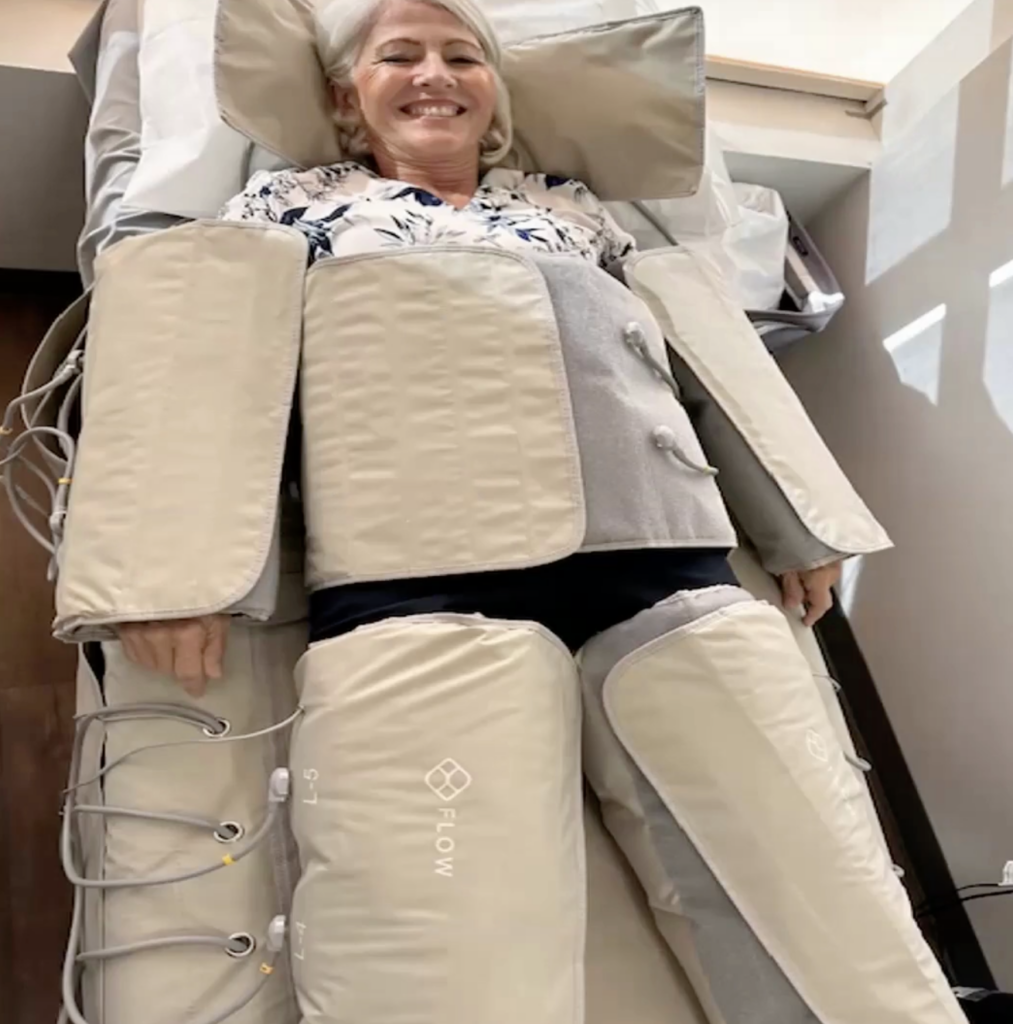
Dr. V is doing a FLOWpresso® therapy session at The Karlfeldt Center Vitamin C (IV + oral)
- Homeopathics like Arnica, Hypericum
- Curcumin
- Probiotics
- Activated charcoal or binders
Therapies
…and all the above are also suggested for general breast cancer healing and wellness!
Opt for Regenerative Endodontics.
This exciting, promising, and innovative dental treatment uses biologically based procedures to repair and replace damaged or diseased tooth tissue. The goal is to restore the natural function of immature teeth, particularly those with necrotic pulps, by stimulating the body’s own healing processes to regenerate the pulp and continue root development.
One technique involves disinfecting the root canal and then introducing a scaffold, such as a blood clot induced by bleeding from the surrounding tissue, to encourage the growth of new tissue. To learn more, please read this 2024 study on recent advances in regenerative endodontics.
Take Charge of Your Oral Health.
The mouth is often one of the most overlooked factors in breast cancer prevention and recovery. If you are doing everything else right (nutrition, detoxification, emotional work, supplementation, lifestyle changes) yet something still feels “off,” your dental history may be the answer.
Your teeth are not separate from your breasts. Nor is your mouth from your immune system.
The body is interconnected, and so is your healing.
The Breast Cancer Conqueror Library For Healthy Smiles and Bodies!
Essential #5 of our 7 Essentials System® is Embrace Biological Dentistry. For more smart, nontoxic oral health solutions, please review the blogs below.
- What is a Biological Dentist?
- Why Remove Dental Amalgams?
- Toxic Dental Products and Cancer
- The Meridian Tooth Chart: What You Need To Know
- The Hidden Link Between Gum Disease and Breast Cancer
- The Truth About Fluoride and Its Effects on The Pineal Gland
- Healthy Oral Health Equals Healthy Breast Health
- Can Dental Infections Prevent Your Healing?
- The Secret’s Out: Oil Pulling And Essential Oils For Oral Health